Our civilization has a single point of failure
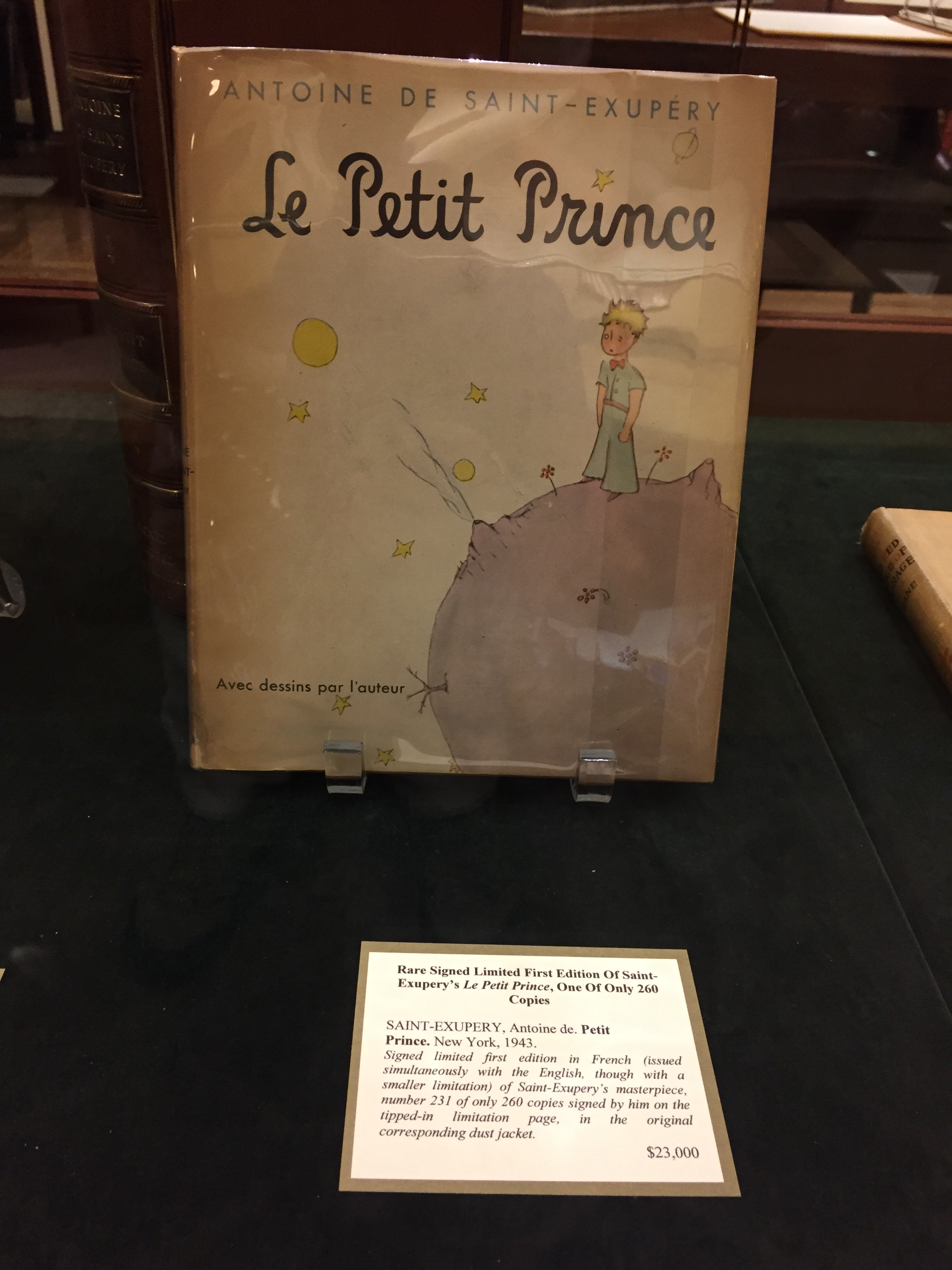
When I was in Las Vegas in October of 2015 for AWS re:Invent I took some time to go for a walk around the Venetian. I came upon Bauman Rare Books. In the store, I saw a copy of Saint Exupery's "Le Petit Price." It was a number 231 out of 260 copies signed by the author. It was selling for $23000.
When Amazon Kindle first came out in 2008 I was one of the early adopters. The device and the format proved perfect for me. The ability to impulse-purchase an electronic book anywhere I am and carry hundreds of books in one thin device allowed me to read dozens of books in the first year I got the Kindle. I can change the font size and read the books even when my eyes are tired. I don't get motion sick reading Kindle on the bus, something that routinely happens to me with printed books.
None of those books are special, in any way. They all look the same on my Kindle, just a row in the catalog. There is nothing that makes them "limited edition." None of them will ever be signed by an author. None of those electronic books will ever find themselves in a rare book store. The Kindle itself is unlikely to ever find itself on a collector's shelf.
To make the matters more precarious, when you buy an ebook you don't actually own it. In 2009, Amazon remotely wiped copies of Orwell's "1984" from the Kindle devices. There are articles and guides out there on how to protect your ebooks from the same fate, such as "DRM be damned: How to protect your Amazon e-books from being deleted" on the.
On the opposite side of the debate, there are opinions justifying Amazon's actions and their right to delete e-books from customer devices. When you pay for an ebook, you pay for a license to read it on your Kindle. This is analogous to how software is bought. When you pay for an app, you do not own it -- you purchase a license to use it and it can be revoked at any time, for any reason, with little warning. The same can, did, and will happen with e-books and electronically purchased music.
Despite all that, I have long since stopped buying printed books. The convenience outweighs the perception of impermanence. If the book is valuable or special, then I buy both -- the e-book for the convenience, and the printed version for the long term value. I can literally count with the fingers of one hand the number of printed versions of e-books that I purchased since getting a kindle.
If the power outages following the hurricane Sandy in the October of 2012 were a couple of days longer I would have had nothing to read. Imagine for a moment what would happen to the modern civilization in the event of a catastrophic solar flare that would at the very least suspend modern civilization, if not completely up-end it. If the power is out for months, and electronic device memories wiped clear, what will the humanity refer to for knowledge and guidance? What will happen to our family photographs, our music collections, and our Kindles?
People no longer collect music, they subscribe to it. We post thousands of photographs to Instagram and Flickr most of which get forgotten within hours from posting. We e-publish articles and blog posts, much like this one, that we know will be lost in the noise by tomorrow morning. We build apps that within weeks or days become outdated. There is hardly anything we put together today in the electronic form that is going to get discovered by our descendants a decade from now, never mind a century or a millennium.
The enterprises store years worth of data and process tens of thousands of transactions daily. For many industries, it is no longer possible to go back to using pencil, paper, and handwritten order forms. The financial industry is more reliant on electronics than ever. A major climate event or a World War affecting electronics is bound to disrupt the way we do business as we know it.
I do not know what the solution is. I do know that the humanity created a single point of failure for the entire civilization. Our long term strategical thinking has been reduced to near term instant gratification that will hardly last a generation.